





Beyond the Surface: Why Mechanical Seals Dictate Reliability, Safety, and Plant Efficiency

Published: July 29, 2026
Sector: Industrial Maintenance & Rotating Equipment Reliability
Main Facts: The Hidden Powerhouses of Rotating Equipment
In the grand architecture of industrial processing plants, mechanical seals are easily overlooked. Dwarfed by massive pumps, heavy-duty motors, and intricate piping networks, these compact components frequently escape executive attention until something goes wrong. Yet, their operational footprint is immense.
A mechanical seal is far more than a simple, disposable wear component. In modern industrial applications, it serves as a critical containment device, a frontline reliability component, an essential emissions-control barrier, and a vital safety feature.

When a mechanical seal operates precisely as engineered, industrial pumps run quietly and efficiently in the background, demanding minimal operator intervention. However, when a seal fails, the consequences ripple across the entire operation. Plant managers face sudden fluid leaks, unplanned production downtime, hazardous environmental emissions, catastrophic equipment damage, and skyrocketing maintenance expenditures.
Recognizing mechanical seals as strategic reliability assets rather than afterthought replacements is the first step toward transforming plant-wide asset management.
Chronology: The Evolution of Sealing Technology and Modern Operational Challenges
To understand the complexity of modern sealing, it helps to examine how sealing technology and industrial systems have evolved.

- The Mid-20th Century: Early pumping systems relied heavily on traditional packing materials, which required constant adjustment, experienced high friction, and permitted controlled leakage of process fluids. As industrial processes grew more hazardous and environmental regulations tightened, packing became obsolete for many applications.
- The Rise of the Mechanical Seal: The industry transitioned toward mechanical face seals to achieve zero- or low-emission containment. These components relied on precision-machined mating faces to stop fluid escape along rotating shafts.
- The Standardization Era (Late 20th Century): The introduction of API (American Petroleum Institute) standards—most notably API 682—standardized seal designs, piping plans, and qualification testing, dramatically improving baseline reliability in the refining and petrochemical sectors.
- The Variable Speed Revolution (2010s–Present): The widespread adoption of Variable Speed Drives (VSDs) revolutionized energy management in pumping systems. While VSDs reduced overall energy consumption and mitigated cavitation, they fundamentally altered the operating environment for mechanical seals, introducing new thermal and pressure dynamics that engineers must actively manage today.
Supporting Data & Technical Mechanics: The Fine Line Between Success and Failure
At its core, a mechanical seal solves a fundamental engineering challenge: preventing process fluids from escaping where a rotating pump shaft penetrates a stationary casing.
The Mechanics of the Interface
A standard mechanical seal accomplishes this via two ultra-flat, highly finished surfaces:
- The Stationary Face: Fixed inside the gland plate or pump housing.
- The Rotating Face: Mounted securely to the rotating shaft, turning in tandem with it.
Springs, metal bellows, or elastomer elements maintain continuous axial contact between these two faces. However, the faces do not actually touch metal-to-metal during normal operation. Instead, a microscopic fluid film—often just a few micrometers thick—separates the faces.
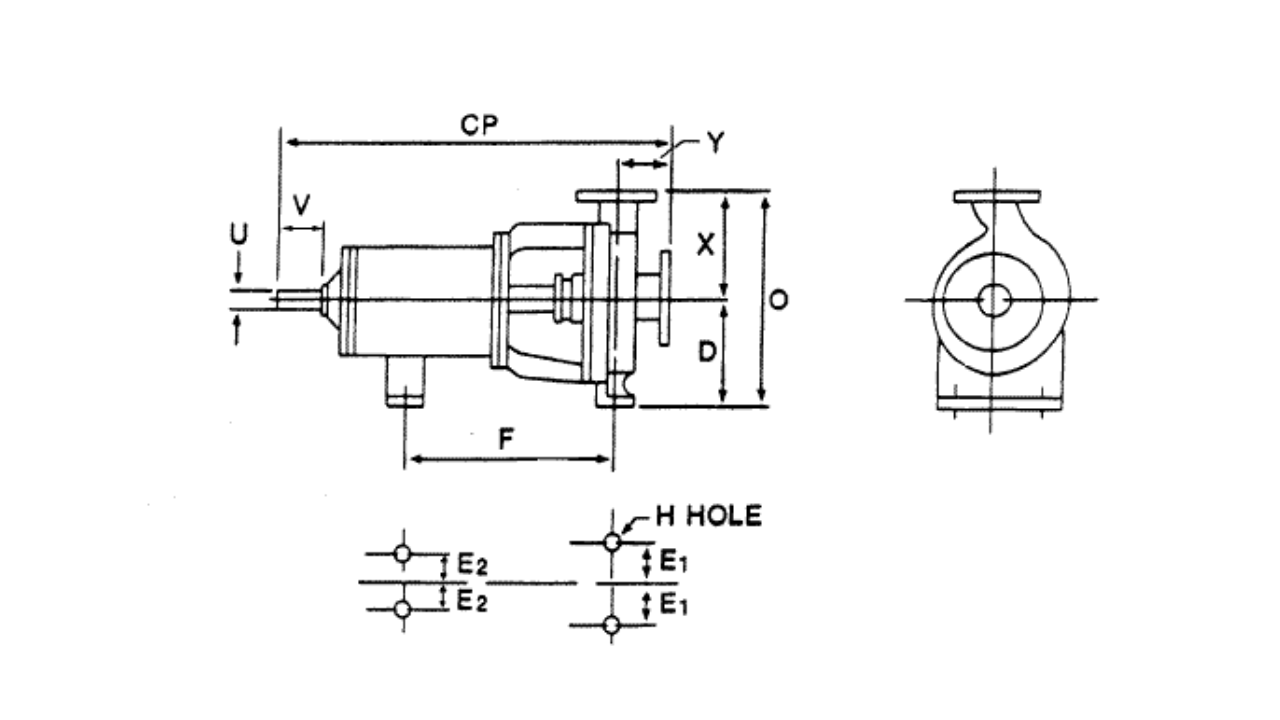
This fluid film acts simultaneously as a lubricant and a coolant. Without it, friction would instantly generate excessive heat, destroying the seal faces within seconds. Conversely, if the film becomes too thick, excessive leakage occurs. Maintaining this micro-scale balance is the central challenge of mechanical seal engineering.
[Rotating Shaft] ---> [Rotating Seal Face]
                           |  (Micro-Fluid Film: Lubrication & Cooling)
                      [Stationary Seal Face] ---> [Pump Casing / Gland Plate]
Common Causes of Seal Degradation
Because seal faces are manufactured to extraordinarily tight tolerances (often measured in light bands), even minor operational disturbances can disrupt the fluid film. Common culprits include:
- Dry Running: Operating the pump without adequate fluid, causing immediate thermal shock and face destruction.
- Flashing: Vaporization of the liquid film between the faces due to localized pressure drops or high temperatures.
- Contamination: Abrasive particulates entering the seal interface, scoring the faces and creating leakage paths.
- Thermal Stress: Excessive heat generation from high face velocity or poor cooling circulation.
- Vibration and Misalignment: Mechanical instabilities that cause seal faces to bounce, separate, or chip.
Official Insights: Expert Perspectives on Seal Support Systems and VSD Integration
Industry experts emphasize that a leaking mechanical seal is rarely an isolated defect; it is almost always a symptom of a deeper systemic issue. Simply swapping out a failed seal cartridge without diagnosing the root cause guarantees repeated failures.
The Critical Role of Seal Support Systems
According to reliability engineering frameworks, mechanical seals perform best when surrounded by a controlled environment. Seal support systems—often referred to by standardized API piping plans—actively manage the temperature, pressure, lubrication, and cleanliness of the fluid environment surrounding the seal faces.
- API Plan 52: Utilizes an external unpressurized reservoir containing a buffer fluid between dual seals. This captures normal process leakage and provides environmental containment.
- API Plan 53B: Employs a pressurized barrier fluid system where the barrier pressure exceeds the process pressure. This ensures that any leakage flows into the process rather than out into the environment, while drastically enhancing lubrication at the seal faces.
The operational distinction between pressurized and unpressurized systems is profound. Pressurized barrier systems force clean fluid toward the process, whereas unpressurized systems allow process media to migrate outward toward the buffer system. In hazardous or environmentally sensitive applications, selecting the correct plan dictates plant safety compliance.
The Variable Speed Drive (VSD) Dilemma
The integration of Variable Speed Drives introduces unique variables that engineers must account for. While VSDs optimize energy use by matching pump output to dynamic system demand, fluctuating speeds directly impact seal performance.

Mechanical seal behavior is governed by pressure, temperature, fluid properties, and face velocity. When a pump’s speed changes:
- High Speeds: Generate increased frictional heat at the seal faces due to higher sliding velocity.
- Low Speeds: Can drastically reduce the efficiency of internal circulation devices and flush loops (such as API Plans 11, 21, and 31). Reduced flow means diminished cooling, leading to localized overheating.
Experts warn that the lowest operating speed on a VSD-controlled pump is frequently the most dangerous condition for the mechanical seal. Plant engineers must evaluate the entire operating envelope—not just the design point—before retrofitting existing pumps with variable speed drives.
Implications: Best Practices for Long-Term Reliability and Plant Safety
Managing mechanical seals effectively requires shifting from a reactive maintenance mindset to a holistic, system-wide reliability strategy. When properly installed, operated, and maintained, high-quality mechanical seals can achieve operational lifespans of five years or more in clean, controlled services.

To capture these longevity and safety benefits, industrial facilities should implement the following best practices:
- Treat Seals as System Components: Evaluate the interaction between the pump, driver, piping, and seal support system as an integrated whole rather than looking at the seal in isolation.
- Protect the Environment: Implement and maintain appropriate flush, barrier, or buffer fluid plans (API plans) to keep seal faces cool, clean, and lubricated.
- Exercise Precision During Installation: Ensure alignment tolerances, shaft runout, and end-play meet strict manufacturer specifications. Avoid field modifications that compromise micro-finished seal faces.
- Account for Variable Operations: Audit pumping systems equipped with VSDs to ensure adequate cooling and flushing at minimum operating speeds.
- Perform Root Cause Analysis (RCA): Never replace a failed seal without investigating why it failed. Addressing underlying issues like cavitation, pipe strain, or bearing wear prevents recurring failures.
Conclusion
Mechanical seals may be small, but their operational gravity is undeniable. They stand as the ultimate guardians of industrial containment, protecting plant personnel, surrounding communities, and local ecosystems from hazardous chemical releases. By understanding the intricate mechanics of seal faces, deploying robust support systems, and carefully managing operational changes like variable speed drives, maintenance and reliability professionals can eliminate chronic failures, slash maintenance expenditures, and secure long-term operational excellence.