




The Golden Window: Navigating the Critical First 24 Hours of a Construction Site Incident

Construction sites represent some of the most complex and high-risk environments in the global economy. By their very nature, they involve a collision of heavy machinery, precarious heights, high-voltage electrical grids, and a constant flow of logistics. While the construction industry has made significant strides in safety culture, the reality remains that even the most robust Prevention through Design (PtD) programs cannot eliminate the specter of the unexpected.
When an incident occurs—whether a catastrophic structural failure, a fall from height, or a machinery-related injury—the subsequent 24 hours are not merely a period of reaction; they are the most consequential hours for the legal, moral, and operational health of a firm. This article examines the rigorous, structured protocol required to manage the immediate aftermath of a construction site tragedy, transforming a chaotic event into a disciplined process of preservation, analysis, and prevention.
The Anatomy of an Incident: Main Facts and Immediate Realities
The first 24 hours are often described as the "Golden Window" in forensic investigation. Decisions made during this timeframe dictate the quality of evidence available for root-cause analysis, the extent of regulatory scrutiny, and the emotional recovery of the site workforce.
According to industry data, construction accidents are rarely the result of a single failure. They are almost invariably the culmination of a "Swiss Cheese" model, where multiple safety layers align to allow an error to occur. Consequently, the immediate response must prioritize two concurrent tracks: Humanitarian Aid and Evidence Preservation.
The Humanitarian Priority
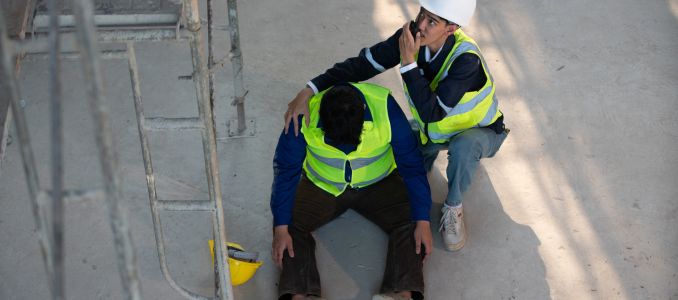
Above all regulatory or financial concerns, the immediate mandate is the protection of human life. The site supervisor’s first duty is the cessation of work in the affected zone. This "Stop-Work Authority" must be exercised without hesitation. If the site remains volatile—such as in cases of chemical exposure, structural instability, or live electrical hazards—the priority is to evacuate personnel to a designated muster point while ensuring emergency services are dispatched with precise location data.
Chronological Response: A 24-Hour Protocol
To manage the fallout effectively, site leadership should adhere to a strict chronological timeline. A failure to act within these windows can lead to the "contamination" of the incident scene, which may result in compromised investigations and increased liability.

Hours 0–2: Emergency Stabilization
The immediate aftermath focuses on life-safety.
- Medical Triage: Provide first aid only if trained to do so. Clear paths for emergency responders and ensure that site personnel provide accurate, concise briefings to paramedics upon their arrival.
- Site Containment: Once the medical emergency is stabilized, the site must be "frozen." This means no cleaning, no rearranging of debris, and no moving of machinery unless it poses a direct risk to ongoing safety.
Hours 2–6: The Lockdown and Documentation
Once the immediate danger has passed, the site enters the preservation phase.
- Perimeter Security: Use physical barriers and, if necessary, security personnel to restrict access.
- The Log of Access: Maintain a rigorous, timestamped log of every individual who enters the incident area. This ensures that the chain of custody for evidence remains untainted.
- Visual Preservation: High-resolution photography and, where possible, drone footage should be used to document the scene from every angle before any environmental factors (such as wind or rain) or recovery operations alter the state of the site.
Hours 6–12: Witness Segregation and Preliminary Interviews
One of the most common mistakes in incident management is the "group debrief." When witnesses are allowed to discuss the event together, their memories often subconsciously align, leading to "collusion of narrative."

- Individual Interviews: Separate witnesses immediately. Ask them to write down their account of the incident independently before they have the chance to compare notes.
- The "What," Not the "Why": Focus on the objective facts of what occurred. Do not attempt to assign blame during this initial interview phase; focus on the sequence of events.
Hours 12–24: Reporting and Operational Audits
By the 18th hour, the focus shifts to internal and external reporting.
- Regulatory Filings: Depending on the jurisdiction, incidents involving serious injury or death must be reported to agencies like OSHA (in the U.S.) or the HSE (in the U.K.) within specific timeframes—often as little as 8 hours for fatalities.
- Company Leadership Briefing: Provide a factual, non-speculative briefing to executive leadership, legal counsel, and the company’s insurance representatives.
Supporting Data: The Cost of Delays
The economic implications of poor incident management are staggering. Studies from the construction sector suggest that for every dollar spent on immediate, professionalized incident response, a company saves an average of four dollars in downstream litigation and insurance premiums.
Furthermore, "Incident Drift"—the period where evidence is lost, memories fade, and site conditions change—is the primary cause of failed investigations. In a 2023 industry survey, 65% of construction litigation cases were decided based on evidence gathered within the first 48 hours. By neglecting the 24-hour protocol, companies inadvertently cede control of the narrative to outside investigators who may not understand the complex operational realities of the site.

Official Responses and Regulatory Expectations
Regulatory bodies do not merely look for the "who" in an accident; they look for the "how" and the "why." They evaluate whether a company’s safety management system (SMS) was proactive or reactive.
When an inspector arrives, the company’s ability to present a clean, documented, and professional account of the incident within the first 24 hours serves as a powerful indicator of a mature safety culture. Conversely, if a company is found to have cleaned up the site or failed to document the state of machinery, the assumption of negligence is often immediately applied.
The Role of Root Cause Analysis (RCA)
While the first 24 hours are for data gathering, they lay the foundation for the eventual Root Cause Analysis. Investigators will be looking for:

- Immediate Causes: The unsafe act or condition that triggered the incident.
- Basic Causes: Factors like poor training, inadequate supervision, or flawed design.
- Systemic Causes: Failures in company policy, budget allocation, or safety culture that allowed the basic causes to persist.
Implications: The Psychological Toll and Long-term Prevention
An incident on a construction site is not just a breakdown of a process; it is a traumatic event for the workforce. The "ripple effect" of an accident can cause productivity to plummet for weeks as workers deal with the stress and anxiety of the experience.
Managing the Workforce
Leadership must prioritize transparency. If the site is a dangerous environment, the workers are the first to know. Keeping them informed—without violating privacy or legal constraints—builds trust. Providing access to Employee Assistance Programs (EAPs) or psychological counseling is no longer a "soft" benefit; it is an essential part of the incident recovery protocol.
Transforming Tragedy into Protocol
The ultimate goal of the 24-hour response plan is to ensure that the incident is never repeated. By auditing the immediate causes against the company’s long-term safety protocols, organizations can update their Standard Operating Procedures (SOPs) to reflect the new reality.

In conclusion, the first 24 hours after a construction incident are the crucible in which a company’s reputation and safety integrity are tested. By implementing a systematic, calm, and rigorous response, construction firms can honor the safety of their workers, satisfy regulatory requirements, and ensure that the lessons learned from a tragedy serve as the bedrock for a safer future. Safety is not a static state; it is a continuous, evolving conversation—and that conversation is most critical in the first 24 hours of an emergency.