



Bridging the Skills Gap: Dassault Systèmes Launches 16th Edition of AAKRUTI Global Innovation Contest

In an era defined by rapid digital transformation and an escalating demand for high-level technical expertise, the bridge between academic curriculum and industrial application has never been more critical. Addressing this head-on, French software giant Dassault Systèmes has officially inaugurated the 16th edition of AAKRUTI, its prestigious international design and innovation competition.
The 2026–27 cycle represents more than just a contest; it is a strategic maneuver to cultivate the next generation of engineers, designers, and innovators. By tasking students with solving real-world challenges through the company’s flagship 3DEXPERIENCE platform and SOLIDWORKS software, Dassault Systèmes is effectively creating a global laboratory for future-ready solutions.
The Core Mandate: Innovation with Purpose
The AAKRUTI 2026–27 competition is structured around four thematic pillars, each chosen for its immediate relevance to global sustainability and societal health. Participants are encouraged to channel their engineering fundamentals and design-thinking methodologies into projects focused on:
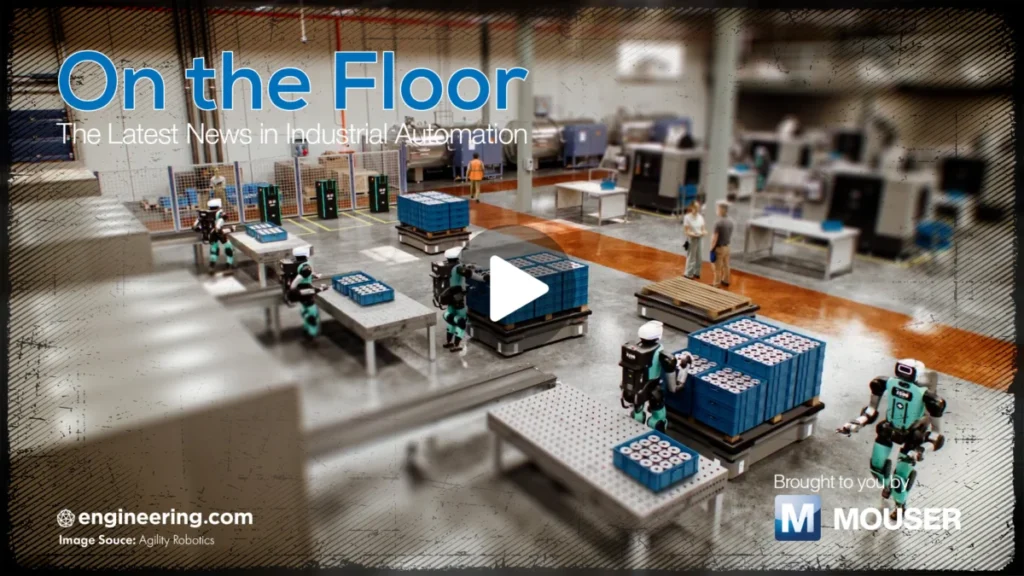
- Robotics: Advancing automation to improve efficiency and safety.
- Local Community Challenges: Developing localized solutions to regional infrastructure or social issues.
- Healthcare: Creating medical devices or systems that enhance patient outcomes.
- Mobility: Reimagining transport systems for a sustainable, low-carbon future.
The mandate for participants is clear: projects must offer "tangible, measurable outcomes." The goal is to move beyond theoretical models and produce designs that demonstrate the potential for real-world deployment, utilizing the sophisticated simulation and design capabilities of the 3DEXPERIENCE ecosystem.
A Chronological Evolution: From Local Initiative to Global Movement
The trajectory of AAKRUTI reflects the broader evolution of engineering education. What began as a modest regional initiative has matured into a global institution.
- Early Years (The Foundation): Initially conceived to engage a small pool of engineering students, the competition focused on basic CAD proficiency. The early cycles were instrumental in testing the viability of a student-led R&D model.
- Expansion Phase (The Global Pivot): Recognizing the talent pool outside its primary markets, Dassault Systèmes expanded AAKRUTI across borders. The competition quickly scaled to cover 37 countries, incorporating diverse cultural perspectives into the design process.
- Professional Integration: Over the past decade, the competition has shifted from a "design-only" focus to a comprehensive career-readiness program. By incorporating professional certifications like the CSWA (Certified SOLIDWORKS Associate) and CSWP (Certified SOLIDWORKS Professional), the program now acts as a professional springboard.
- The 2026–27 Cycle: The current iteration marks the most ambitious chapter to date. With a $20,000 cash prize pool and a commitment to integrating winners into the broader Dassault Systèmes professional network, the 16th edition is poised to set a new benchmark for corporate-academic collaboration.
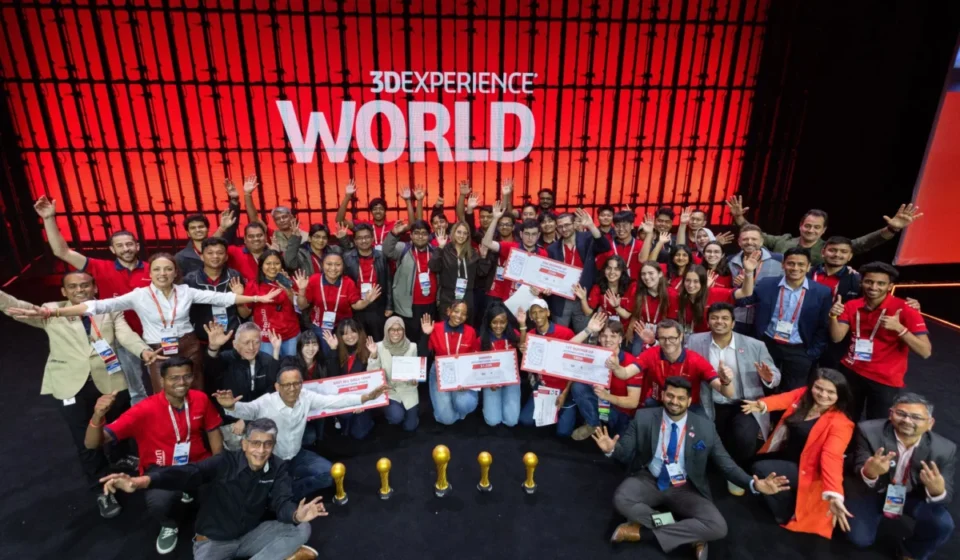
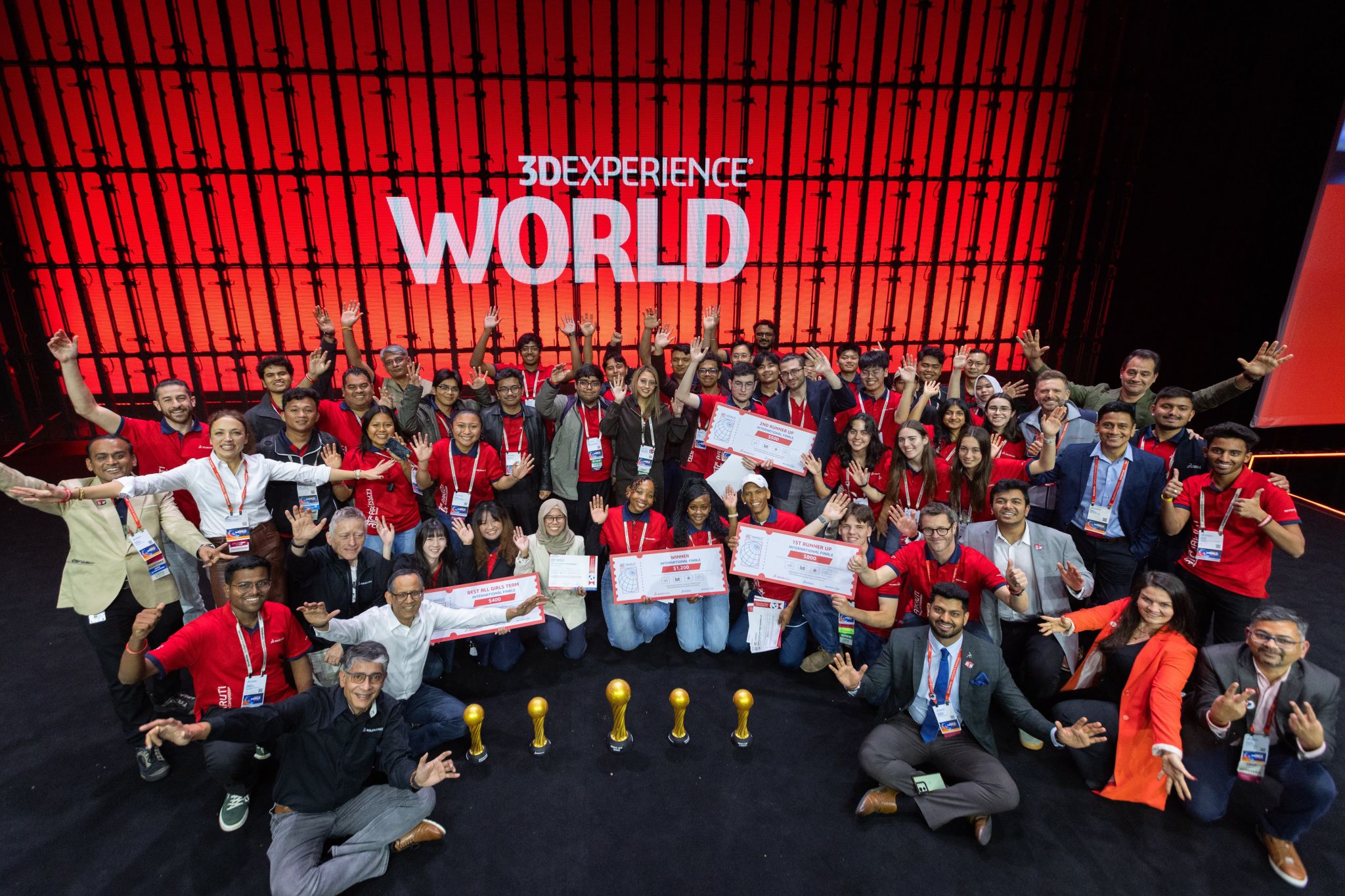
The journey will culminate in a grand finale at 3DEXPERIENCE World 2027 in Nashville, where the top finalists will present their innovations to an audience of industry titans, potential employers, and peers.
Supporting Data: The Scale of Investment
The sheer financial and structural weight behind AAKRUTI underscores its significance. Dassault Systèmes reportedly channels nearly $1 million annually into the program. This investment is not merely in the prize money, but in the infrastructure of education:
- Certification Value: During the previous cycle, the company issued over 2,000 industry-recognized certifications, providing an estimated $396,000 in "upskilling value" to the student body.
- Historical Reach: Since its inception, the program has engaged over 75,000 students from more than 1,000 academic institutions worldwide.
- Employer Validation: Perhaps the most compelling statistic lies in career outcomes. Survey data indicates that approximately 500 former AAKRUTI participants have successfully transitioned into roles at major global organizations, proving that the competition serves as a legitimate pipeline for specialized talent.
Perspectives from Leadership
Suchit Jain, Vice President of Strategy at Dassault Systèmes, views the program as a fundamental pillar of the company’s philosophy. "AAKRUTI started with a simple belief that students everywhere have incredible ideas if we give them the right platform, tools, and encouragement," Jain stated.
He emphasizes that the program is not just about technical output, but about fostering a mindset of social responsibility. "What inspires us most is seeing young innovators take on real problems with creativity, passion, and purpose. From a small initiative to a global movement, AAKRUTI has become a place where students turn ideas into solutions that can truly make a difference."
The Strategic Implications: Closing the Skills Gap
The necessity for programs like AAKRUTI is rooted in a systemic problem: the "skills gap." As industry demands become increasingly digitized, academic institutions often struggle to keep pace with the rapid iteration of professional software and design methodologies.
Addressing the Academic-Industrial Divide
Traditional university programs provide a strong theoretical foundation but often lack the hands-on exposure to high-end industrial software that enterprises like Dassault Systèmes, Stratasys, or the Manufacturing Technologies Association (MTA) require.
By providing free access to the 3DEXPERIENCE platform, Dassault Systèmes is effectively standardizing the toolset of the next generation. Students who graduate with a CSWA or CSWP certification enter the job market with a proven capability to handle complex simulation, cloud-based collaboration, and digital manufacturing workflows. This reduces the "onboarding time" for employers and increases the employability of the graduates.
Benchmarking Against Industry Peers
Dassault Systèmes is not alone in this strategy. The industry has seen a rise in similar initiatives designed to foster workforce development:
- Stratasys’s Extreme Redesign Challenge: For over a decade, this challenge has invited students to redesign existing products using 3D printing. Having awarded over $140,000 in scholarships, the program echoes the AAKRUTI philosophy of linking competition to tangible career rewards.
- UK’s MTA Challenge: The Manufacturing Technologies Association has utilized design competitions as a direct response to national shortages. With the UK projecting a need for 87,000 new engineers annually against a current output of only 50,000, these competitions serve as critical outreach tools to ensure the engineering pipeline does not run dry.
The Future of Engineering Education
As we look toward 2027 and beyond, the model presented by AAKRUTI suggests a paradigm shift in corporate philanthropy. Companies are moving away from passive sponsorship and toward active participation in the education ecosystem.
By integrating professional credentials into a competitive framework, Dassault Systèmes is essentially creating a decentralized workforce. The 16th edition of AAKRUTI is not merely a contest; it is a vital mechanism for ensuring that the global engineering workforce remains resilient, technically proficient, and motivated by the prospect of solving the most pressing challenges of our time.
For the student, the competition offers a chance to win cash and recognition. For the industry, it offers a window into the brightest minds of the next generation. As these students gather in Nashville for the 2027 finals, they will carry with them more than just designs—they will represent a new standard of collaborative, technology-driven innovation that will undoubtedly shape the industrial landscape for years to come.
For those interested in the broader context of industrial evolution, the 3D Printing Industry’s 2026 Executive Survey offers deep insights into the trends—including qualification, supply chain integration, and the industrialization of additive manufacturing—that are currently defining the professional lives of the very engineers these students aspire to become.